



Why the Right Architect Matters | SDG Architecture
Your Architect Defines What Gets Built. Your Builder Executes It.
These are two very different roles, and confusing them leads to problems.
An architect’s job is to translate your vision into a precise, permitted, buildable set of documents. Every wall, every opening, every elevation, every material specification lives in those drawings. When they are done well, your builder has a clear road map. When they are vague or incomplete, you pay for it in change orders, delays, and decisions made on the fly that you may not love once the walls go up.
A good builder is invaluable. But a builder without complete architectural drawings is working without a map. They will make decisions, because the job requires it, but those decisions belong to you. You just will not know about them until it is too late to change them.
Permitting Is More Complicated Than It Looks, Especially in Florida
Florida’s Gulf Coast municipalities have some of the more nuanced permitting environments in the country. FEMA flood zone requirements, setback rules, impervious surface limits, coastal construction control lines, wind load calculations, and local design standards all come into play depending on where your project is located.
An experienced local architect knows these requirements before the first line is drawn. That knowledge shapes the design from the start, which means fewer surprises during plan review and a smoother path to your permit. A design that ignores these constraints has to be revised, sometimes significantly, before it can be approved. Revisions cost time and money, and they push your construction start date back.
At SDG, we have spent decades working with building departments throughout Pinellas County and the greater Tampa Bay area. We know what reviewers look for, how to document our decisions, and how to resolve comments efficiently. That familiarity is not something you can replicate by starting with a builder and adding an architect later.

The Right Architect Coordinates the Whole Team
Building a custom home or a commercial property involves more people than most clients anticipate. Structural engineers, MEP engineers, civil engineers, interior designers, landscape architects, and specialty consultants all feed into the project at different phases. Someone has to coordinate that information and make sure it all works together in the drawings.
That is the architect’s role. When we are engaged early, we manage the flow of information across the entire design team. Structural members get coordinated with ceiling heights. Mechanical systems get resolved before the walls are framed. Civil grading plans get aligned with the finished floor elevations. These are not small details. When they are handled correctly, your builder gets a set of documents that actually builds. When they are not, the field has to solve design problems that should have been resolved at the desk.
A builder cannot play this role, because they are not producing the documents. They are working from them.

What to Look for in an Architect
Not all architects and architectural design firms operate the same way. When evaluating firms, here are the questions worth asking:
Do they have local experience? Florida’s regulatory environment, coastal conditions, and building culture are specific. A firm that works here regularly will serve you better than one that is learning the market on your project.
Do they coordinate with builders during design? The best outcomes come from collaboration, not handoffs. Ask whether the firm typically engages with contractors during the design development phase to align design intent with real-world constructability and pricing.
Do they stay involved through permitting and construction? A firm that disappears after delivering drawings leaves you without your most knowledgeable advocate when questions arise in the field. Look for a team that sees the project through.
Do they have experience with your project type? A firm that primarily designs single-family homes may not be the right choice for a hotel or townhome development, and vice versa. Look for demonstrated experience in the specific building type you are pursuing.
Do they listen? This one is harder to evaluate in an initial meeting, but it matters as much as anything else. The architect’s job is to understand your goals, not to impose their aesthetic preferences on your project. A good design process feels collaborative, not prescriptive.
We Would Love to Be Part of Your Project
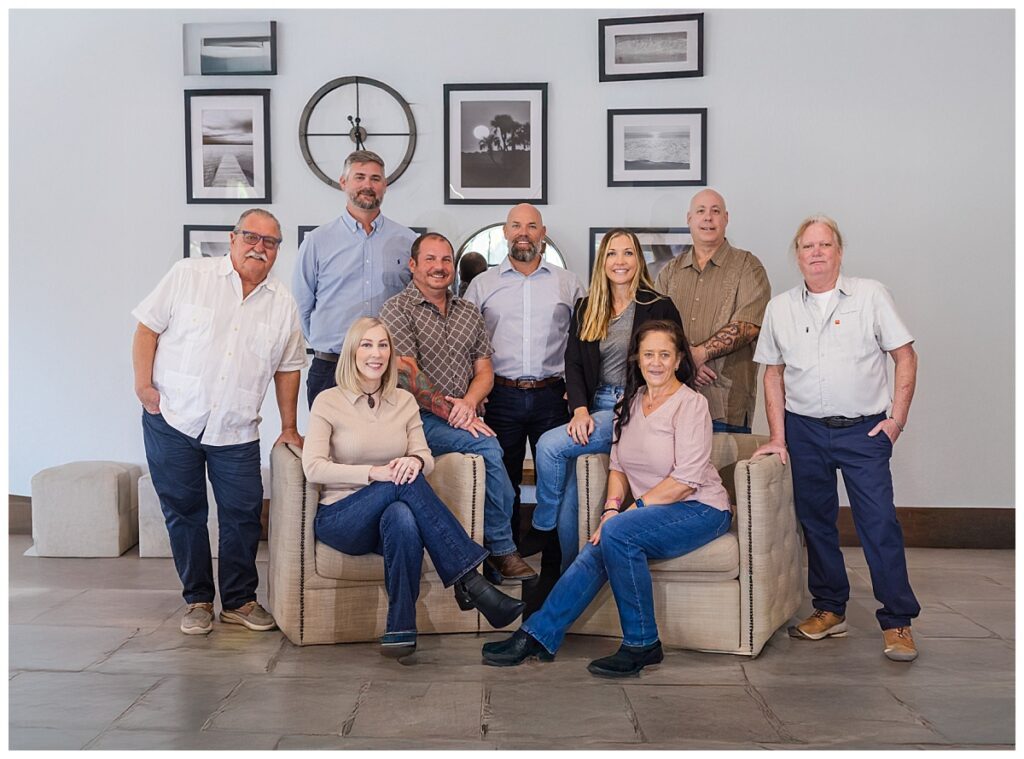
At SDG Architecture, we work with clients on custom residences, waterfront homes, hotels, townhomes, and commercial spaces throughout the Tampa Bay area and Florida’s Gulf Coast. Our team brings over 100 years of combined experience, deep familiarity with local permitting environments, and a genuine commitment to getting the design right before construction ever begins.
If you are in the early stages of planning a project, that is exactly the right time to have a conversation with us.
Contact SDG Architecture to get started.
Be the first to comment